

Most difficult salvia trips go wrong in a few predictable ways, and most of them have less to do with the substance than with the room. UK government information notes that most physical harm linked to salvia happens because people injure themselves while under the influence, rather than from salvia itself (FRANK). The Dutch Trimbos Institute names a bad trip, anxiety and panic as the main risks, and says a sitter, a low dose and feeling well beforehand reduce them (DRUGSinfo).
The four accounts below are composites, built from patterns in published experience reports and harm reduction information. They do not describe one real person.
Standing up
Composite account. 20X, sitting on a kitchen chair, friends in the room, nobody sober.
The pull came from the right, strong, and the most natural thing in the world seemed to be to follow it. So the person stood up, which nobody in the room expected, and walked three steps sideways into the kitchen counter.
From the inside, there was no kitchen. There was a direction that had to be followed and something solid that was in the way. From the outside, it looked like someone walking with great determination into furniture. One friend tried to grab an arm, which was experienced as being held back by something that did not want them to go, and led to a struggle.
The result was a bruised hip and a broken glass. Nobody was badly hurt, but afterwards everyone agreed it could easily have been worse.
What changes the outcome: lying or sitting low, nothing hard or sharp within reach, and a sober person whose only job is to gently stop someone from getting up. Researchers who rated 34 filmed salvia sessions recorded impairments and behaviour consistent with a powerful hallucinogen (Lange et al., 2010).
The second hit
Composite account. 10X, at home with one friend who had also smoked.
The first inhalation seemed to do very little: a bit of pressure, some sliding. After half a minute, the person decided it had not worked and lit the pipe again.
It had worked. The first hit was simply still arriving. The two doses landed on top of each other, and the room vanished faster and more completely than expected. Both friends were under the influence, so nobody noticed that one of them had started to panic.
The panic was about being stuck: the conviction that this place was permanent now, and that the other world had always been the real one. It lasted, by the clock, about six minutes.
What changes the outcome: waiting. With smoked salvia the peak arrives around two minutes (Johnson et al., 2011), so the first minute says little about how strong the dose is. One dose per session, and a sitter who holds the lighter.
The fear of not coming back
Composite account. 20X, lying on a bed, sitter present.
Everything about the setting was right: a quiet room, lying down, a sober friend. The dose was simply more than expected. The person lost any sense of having a body, and then lost the idea that there had ever been one.
The fear came in the return phase, not at the peak. As the room started to reassemble, it felt unfamiliar and possibly fake, and there was a frightening thought that this was a copy of the room and the real one was gone.
The sitter did what helps: stayed calm, kept the voice low and steady, said the time every minute and repeated that it was salvia and that it ends. No touching until asked. By minute fifteen the person recognised the room. By minute thirty they were laughing about the copy.
What changes the outcome: knowing in advance that the return can feel strange, and having someone who keeps saying the time. The Johns Hopkins team found definite effects gone at about twenty minutes (Johnson et al., 2011); hearing that from a calm voice helps.
The uneasy day after
Composite account. 10X, an evening at home, sitter present, otherwise uneventful trip.
The trip itself was not frightening. It was strange, the usual sliding and pulling, a short visit to a flat, bright place, then back. The difficulty came later: a restless, uneasy feeling the next day, and some trouble letting go of the question what that place had been.
In a survey of 500 people who used salvia, 4.4% reported negative effects that lasted 24 hours or longer, most often anxiety (Baggott et al., 2010). In a controlled study, eight volunteers showed no persisting adverse effects at one month (MacLean et al., 2013).
What changes the outcome: talking it through with the sitter afterwards, taking time before trying again, and seeking help if the unease stays. In the Netherlands, the Drugs Infolijn of the Trimbos Institute answers questions about drug use.
Who should not use salvia
The Trimbos Institute advises against salvia for people who are sensitive to psychosis, and against combining it with other substances (DRUGSinfo). FRANK notes that salvia could trigger a psychotic episode in someone already experiencing mental health problems. The Australian ADF warns that salvia with alcohol may cause nausea and vomiting, and that salvia with cannabis can have unpredictable effects (ADF). Never drive or cycle afterwards until all effects are gone.
What the sitter does
- Stays sober and keeps the lighter and the extract after the first dose.
- Clears the room of anything hard, sharp or hot, and makes sure the person is lying or sitting low.
- Says little, speaks calmly, and gives the time when asked or when things look tense.
- Does not hold or restrain unless someone is about to get hurt; a gentle hand on the shoulder is usually enough.
- Notes the times. Afterwards, the sitter's account fills in the gaps the person cannot remember.
The composite reports by strength show what a well prepared session tends to look like, and the strength guide explains how the shop describes each strength, from plain leaf upwards.
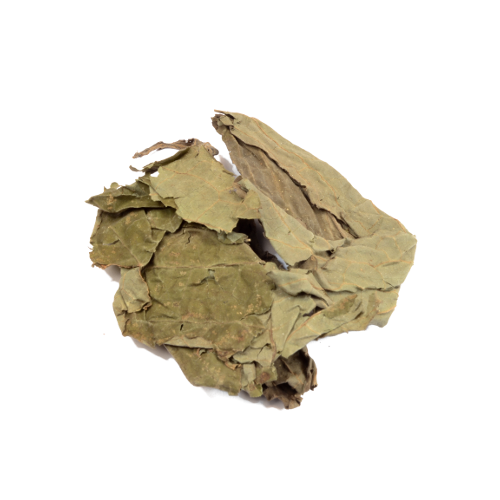 Avalon Magic Plants
Salvia Divinorum Leaves
€4.90 View in the shop
Avalon Magic Plants
Salvia Divinorum Leaves
€4.90 View in the shop
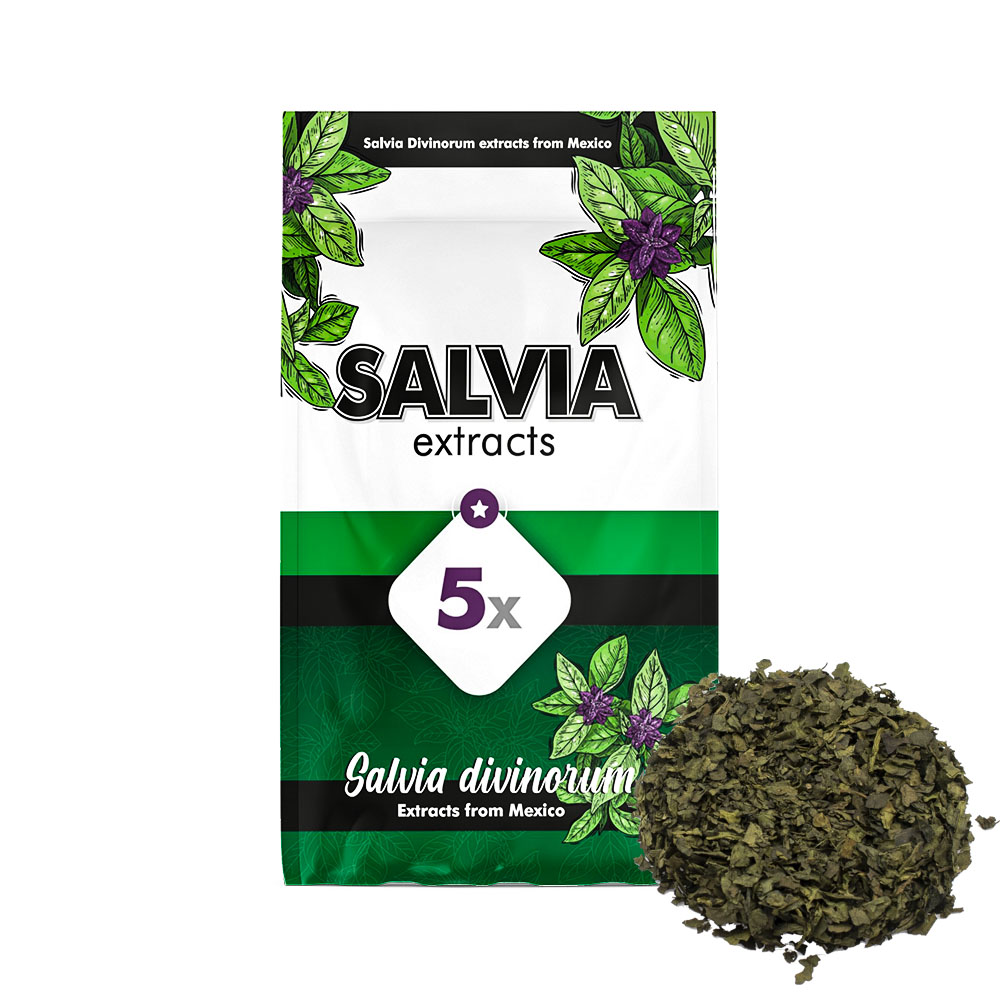 Avalon Magic Plants
Salvia Divinorum 5X extract
€9.50 View in the shop
Avalon Magic Plants
Salvia Divinorum 5X extract
€9.50 View in the shop
Updated